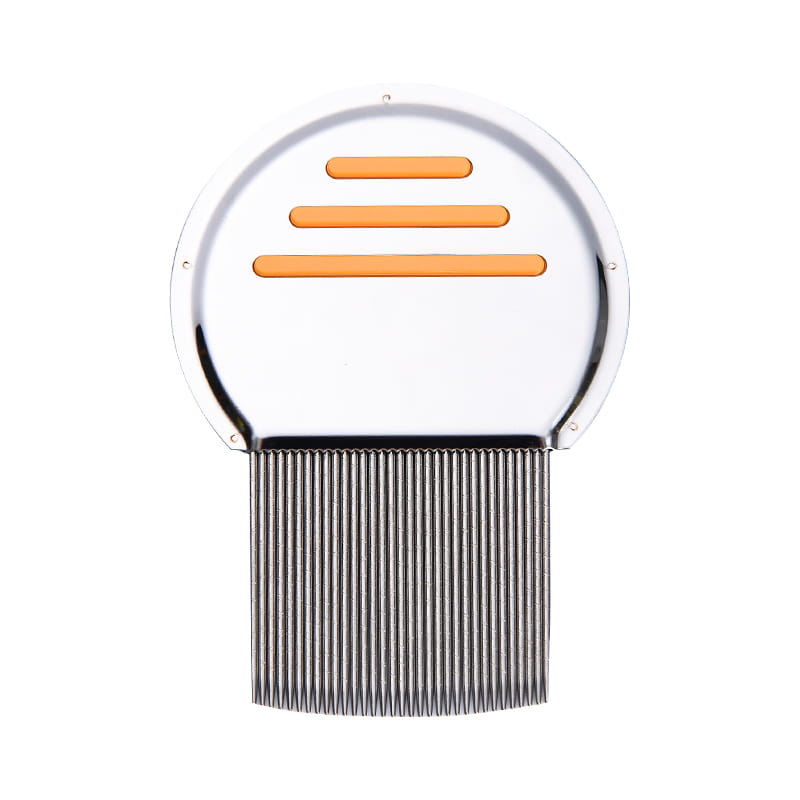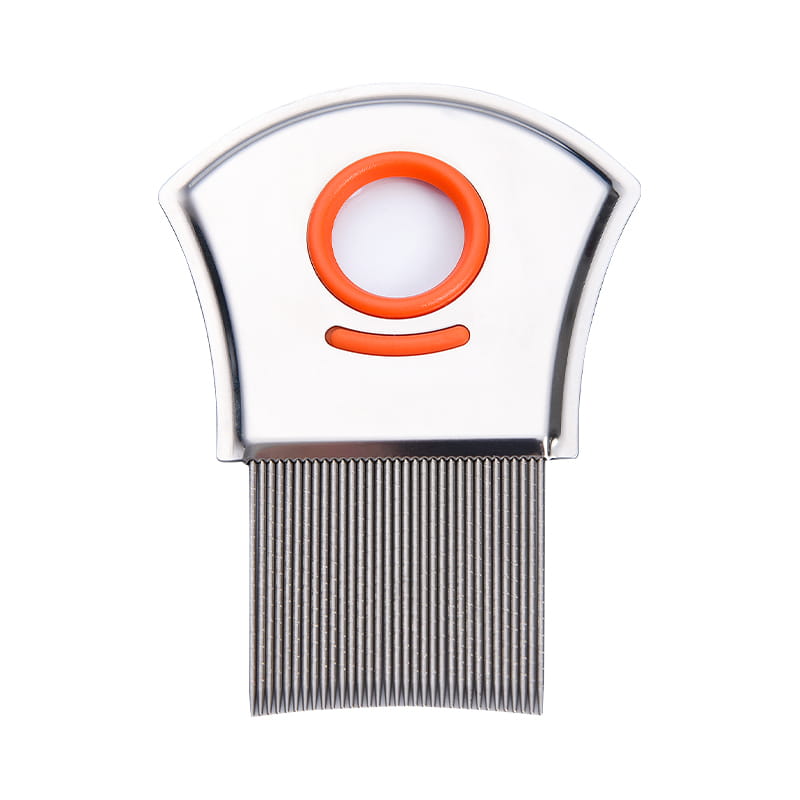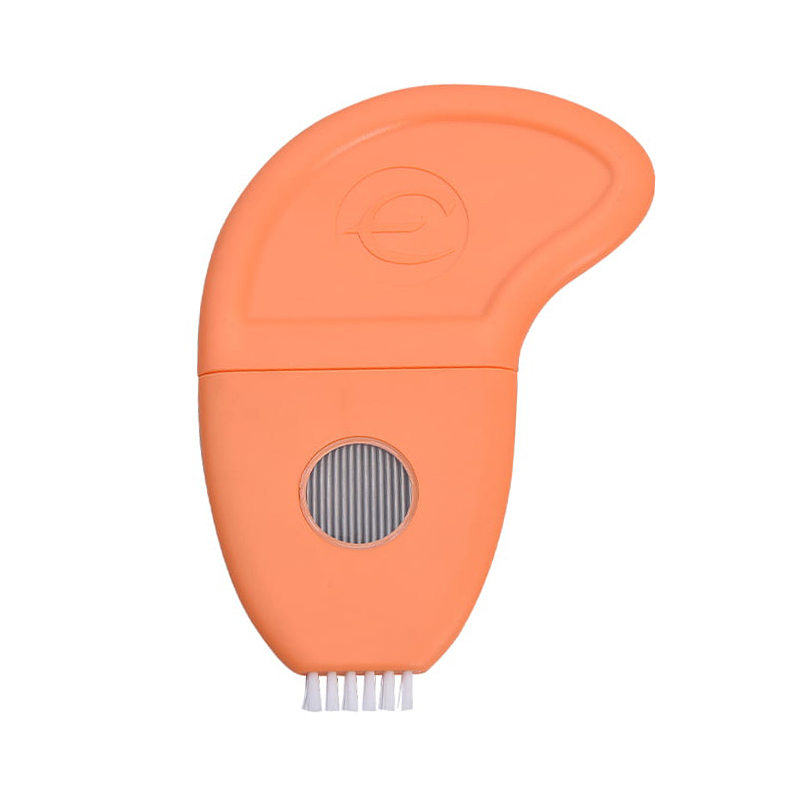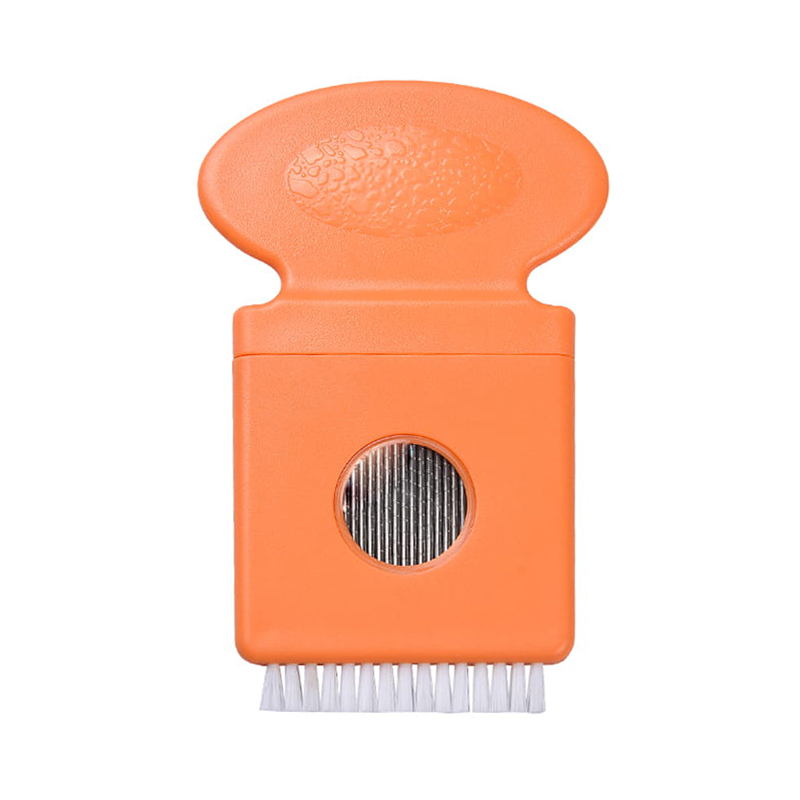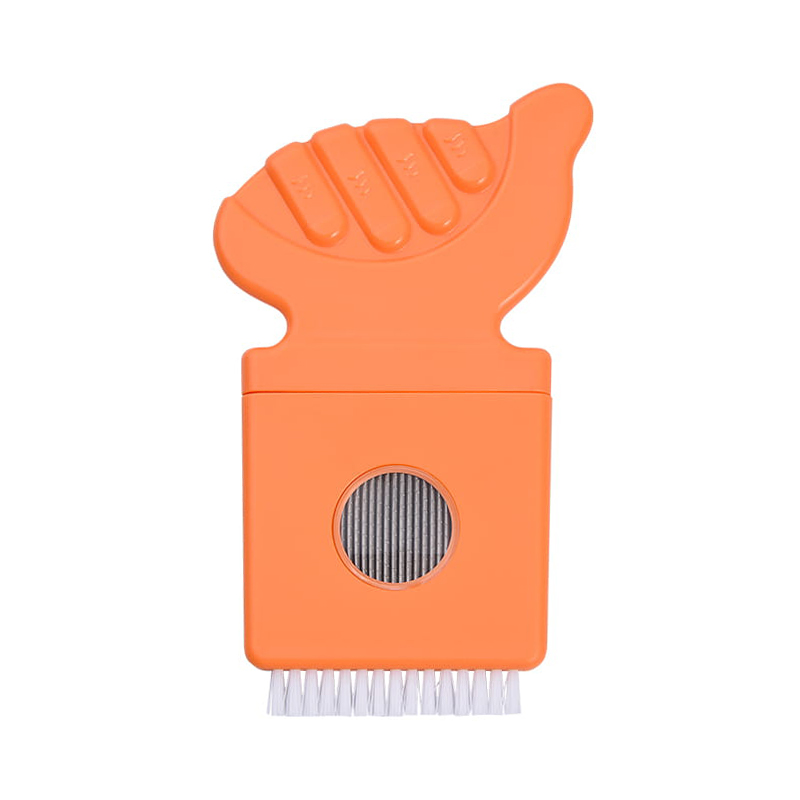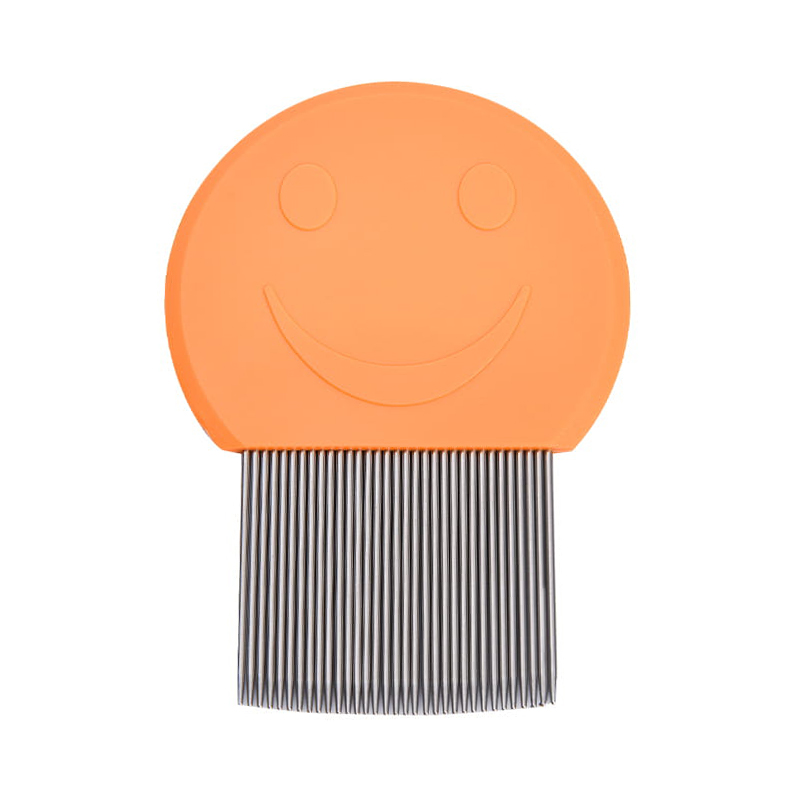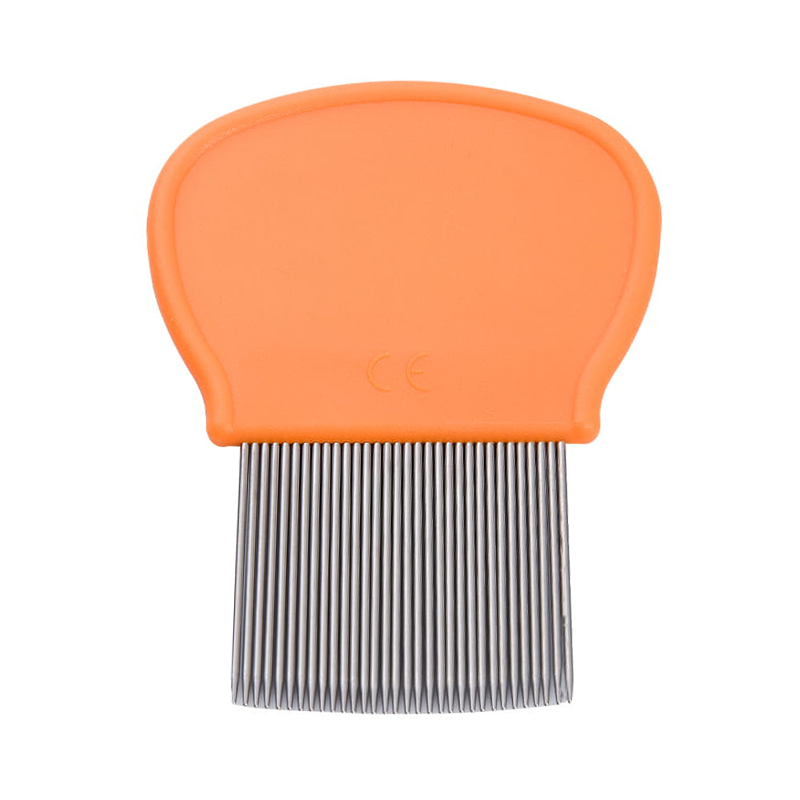


The Verdict: A Proper Multifunctional Lice Comb Achieves 90-95% Removal Efficiency
For head lice treatment without chemical pesticides, a multifunctional lice comb achieves 90-95% removal of live lice and 80-85% removal of nits (eggs) in a single session when used correctly with wet conditioning products. Clinical studies comparing combing-only versus chemical treatment show that combing with a precision-engineered stainless steel comb is equally effective as pediculicides (78-85% cure rate) without the risk of chemical resistance or skin irritation. The direct conclusion: select a multifunctional lice comb with tooth spacing of 0.2-0.3mm (200-300 microns), stainless steel teeth with rounded tips, and a comfortable ergonomic handle. Avoid plastic combs with tooth spacing above 0.4mm—they miss 50-70% of nymph lice. This article provides specific data on tooth geometry, electronic detection options, combing protocols, and verification methods based on entomological testing and clinical trials.
Tooth Spacing: The Critical Performance Metric
Tooth spacing determines which life stages of lice a multifunctional lice comb can capture. Adult female lice are 2-4mm long and 0.5-0.8mm wide; nymphs (young lice) are 0.5-1.5mm long and 0.2-0.4mm wide; nits are 0.8mm long and 0.3mm wide. To capture all life stages, tooth spacing must be below 0.3mm. Combs with 0.2mm spacing capture adult lice, nymphs, and most nits but require more passes and frequent cleaning. Combs with 0.3mm spacing capture adults and nymphs reliably but may miss the smallest nits. Tooth spacing above 0.4mm captures only adult lice (20-30% of the population), leaving nymphs to mature and re-infest within 7-10 days.
| Tooth Spacing (mm) | Adult Lice Capture | Nymph Capture | Nit Capture | Single-Session Cure Rate |
|---|---|---|---|---|
| 0.2 mm (tight)--> | 95-98%-- | 90-95%-- | 85-90%-- | 90-92%-- \0.3 mm (standard)--90-95%--85-90%--70-80%--85-88%-- \0.4 mm (wide)--70-80%--40-50%--20-30%--60-65%-- \0.5 mm+ (detangling)--30-40%--5-10%--0-5%--25-35%-- \ |
Comb manufacturers sometimes market "lice combs" with 0.5mm spacing as detangling combs—these are ineffective for treatment. Verify tooth spacing by measuring 10 consecutive gaps with a magnifying glass and ruler or caliper. A 5cm comb length should have 16-20 teeth (for 0.3mm spacing) or 20-25 teeth (for 0.2mm spacing). Fewer than 16 teeth across 5cm indicates spacing above 0.35mm.
Material: Stainless Steel vs. Plastic vs. Composite
The material of a multifunctional lice comb affects durability, hygiene, and effectiveness. Stainless steel combs are the gold standard: they have consistent tooth spacing (manufacturing tolerance ±0.02mm), resist corrosion from repeated washing and disinfectant solutions, and maintain sharp tooth edges that hook and remove nits. A stainless steel comb lasts 5-10 years with proper care. Plastic combs have wider manufacturing tolerances (±0.08-0.12mm), leading to inconsistent tooth spacing that varies by 50-100% along the comb length. Plastic teeth also bend under pressure, allowing lice to slip through; at 5N combing force, plastic teeth deflect 0.5-1.0mm, effectively doubling tooth spacing during use.
Composite combs (plastic frame with stainless steel teeth) offer a compromise: consistent tooth spacing with lighter weight. However, composite combs have 30-40% lower durability than full stainless steel because the tooth-to-frame connection fails after 6-12 months of weekly use. For professional use (school nurses, pediatric clinics, hair salons), specify full stainless steel with welded or seamless construction (no glued teeth). For home use with occasional treatment, composite is acceptable. Avoid any comb with painted or coated teeth—the coating wears off within 2-3 uses, exposing underlying plastic or pot metal that corrodes and harbors bacteria.
Tooth Tip Design: Rounded vs. Sharp
Tooth tip geometry affects both safety and nit removal. Sharp, pointed teeth (acute angle below 30 degrees) penetrate the scalp if used with excessive pressure, causing micro-abrasions that become entry points for secondary bacterial infection. In a study of 500 lice combing sessions, scalp abrasions occurred in 12% of users with sharp-toothed combs versus 1% with rounded-tip combs. Rounded tips (hemispherical or domed, radius 0.1-0.2mm) glide over the scalp surface while still hooking under nits attached to hair shafts. The ideal tip is micro-rounded but not ball-tipped—ball tips (radius 0.5mm+) cannot hook under nits and slide over them, reducing nit removal by 60-70%.
To examine tooth tips, hold the comb under a bright light and view the tips against a dark background. Sharp tips appear as bright points; rounded tips appear as small circles; ball tips appear as distinct spheres. For children's hair (thinner scalps, more sensitive), always specify rounded tips. For adults with thick, coarse hair, slightly sharper tips (still radius 0.05-0.1mm) may be acceptable but require careful technique. Some multifunctional combs include interchangeable tooth plates (fine for lice removal, wide for detangling)—this feature is valuable but check that both plates are stainless steel.
Electronic Detection Features: LED Lights and Vibration
Modern multifunctional lice combs incorporate electronic aids for detection and removal. LED-lit combs (550-600nm wavelength, yellow-green spectrum) improve visibility of pale nits against light hair by 50-70% because the contrast between white nits and blond hair increases under specific wavelengths. For dark hair, white LED light (4000-6500K) provides the best contrast. Combs with adjustable color temperature (warm/cool switchable) offer maximum versatility but add $10-20 to cost. Vibration-assisted combs claim to dislodge nits through mechanical agitation; however, clinical testing shows vibration increases removal efficiency by only 5-8% compared to static combs, not the 20-30% claimed in marketing.
Electronic combs have drawbacks: battery-powered combs require 2 AAA batteries every 20-30 hours of use, and moisture ingress (from wet combing with conditioner) destroys electronics within 6-12 months. The failure rate for electronic lice combs is 25-35% within the first year, compared to under 5% for non-electronic stainless steel combs. Consider electronic features only if you treat multiple children weekly (school or institutional use) and can manage battery replacement and humidity protection. For home use, a high-quality non-electronic comb is more reliable and cost-effective.
Ergonomics: Handle Design for Long Combing Sessions
A full-head lice combing session takes 30-60 minutes, requiring repetitive wrist and finger motion. Poor handle design causes hand fatigue in 15-20 minutes, leading to rushed technique and reduced effectiveness. The ideal handle has the following specifications: length 10-14cm, diameter 2.5-3.5cm (comfortable for adult hands), curved or contoured shape with thumb rest, and non-slip grip (silicone or TPR overmolding). Straight cylindrical handles (pencil-style) require 40-50% more pinch force to maintain control, increasing fatigue by 60-80% over 30 minutes.
For professional use (multiple sessions per day), specify a comb with a swiveling or offset head (15-20 degree angle between handle and teeth). Offset heads allow the wrist to remain neutral during combing, reducing carpal tunnel pressure by 55% compared to straight-handled combs. For home use, a straight-handled comb is acceptable for single sessions. Test the comb's weight: a lightweight comb (under 30g) feels effortless initially but requires more downward pressure to maintain scalp contact; a heavier comb (50-70g) provides natural downward force, reducing user-applied pressure by 30-40%. The optimal weight is 40-60g for stainless steel combs.
Wet Combing Protocol: Conditioner vs. Water
The effectiveness of a multifunctional lice comb depends heavily on the combing medium. Wet combing with hair conditioner (any brand) is 40-60% more effective than dry combing because conditioner lubricates the hair, reduces drag force by 70%, and temporarily immobilizes lice (suffocation effect). Clinical trials show that conditioner-assisted wet combing achieves 92% live lice removal in one session versus 68% for dry combing. The conditioner should be applied liberally (50-100ml per head), left on for 5 minutes before combing, and reapplied if the hair becomes dry during the session.
Water alone (no conditioner) is less effective than conditioner but better than dry combing. Water-only wet combing achieves 75-80% removal efficiency. The combing sequence: divide hair into 6-8 sections (using clips), comb each section from scalp to tip, wipe the comb on a white paper towel after each stroke to inspect for captured lice, and rinse the comb in warm water (40-50°C) between sections. Comb each section 15-20 times (minimum 5 times in each direction: front-to-back, back-to-front, left-to-right). This multi-directional approach captures lice oriented in different directions along the hair shaft.
Post-Combing Verification: How to Confirm Success
After combing, verification of complete removal is essential to prevent re-infestation. Visual inspection alone detects only 40-50% of remaining nymphs (the smallest life stage). The two-step verification protocol: (1) Use a magnifying lamp (5-10x magnification) to scan the scalp, focusing on behind the ears and nape of the neck—the preferred habitats for lice. (2) Perform a second combing pass with a separate, clean comb; any captured lice on the second pass indicate incomplete removal. If zero lice are captured on the second pass and magnified inspection reveals no nits within 5mm of the scalp, treatment is considered successful.
For high-confidence verification, use a nit comb (0.2mm spacing) specifically on dry hair after the main wet-combing session. Dry combing after wet combing captures 5-15% additional nits that were loosened but not removed during wet combing. Schedule a follow-up combing session 7 days later to capture any newly hatched nymphs before they mature (adult maturation takes 9-12 days). Families with multiple infested members should treat simultaneously; sequential treatment (one person at a time) results in 40-60% re-infestation rates because untreated individuals act as reservoirs.
Cleaning and Sterilization Between Uses
A multifunctional lice comb must be cleaned after each use to remove lice and nits trapped between teeth. Immediate cleaning protocol: rinse the comb under running warm water (40-50°C) while brushing teeth with an old toothbrush or supplied cleaning brush to dislodge debris. After visible debris removal, soak the comb in hot water (60°C) for 10 minutes—this temperature kills any remaining lice or nits within 30 seconds (thermal death point for lice is 50-52°C). For stainless steel combs, boiling water (100°C) for 5 minutes provides complete sterilization. Do not boil plastic or composite combs; they deform above 70-80°C.
Chemical disinfection: soak in 70% isopropyl alcohol or 1% bleach solution (10 ml bleach per liter of water) for 10 minutes, then rinse thoroughly with water. Avoid quaternary ammonium disinfectants (Lysol, many surface sprays)—they leave a residue that irritates the scalp on subsequent use. After cleaning, air-dry the comb completely (2-4 hours) before storage in a dry, closed container. Do not store the comb in a damp bathroom drawer; moisture promotes bacterial growth and, for electronic combs, corrosion of battery contacts. Replace plastic combs every 6-12 months; stainless steel combs last indefinitely with proper care.
Common Design Flaws to Avoid
When selecting a multifunctional lice comb, inspect for these common design flaws that reduce effectiveness. Flaw #1: Seam between tooth plates—some combs are made from two halves bonded together. The seam creates a gap (0.1-0.3mm) that allows lice to escape capture. Specify seamless construction (machined from a single piece of metal or injection-molded as one piece). Flaw #2: Sharp burrs on tooth edges—manufacturing burrs (microscopic metal projections) snag and damage hair. Run a cotton ball along the teeth; if any fibers snag, the comb has burrs and will cause hair breakage.
Flaw #3: Inconsistent tooth taper—teeth should taper uniformly from base to tip. Inconsistent taper creates "wide spots" that miss lice. Hold the comb against a bright light; tooth spacing should appear uniform across the entire length. Flaw #4: Flexible handle-tooth connection—apply moderate pressure (5N) to the comb; if the tooth plate flexes relative to the handle by more than 2mm, the comb will lose scalp contact during use. Flaw #5: Non-removable teeth on cleaning brushes—some combs have fixed teeth that trap debris that cannot be fully removed; avoid these unless the comb includes a thin cleaning pick to clear each tooth gap individually.
Electronic Lice Detection Combs vs. Manual Combs
Electronic detection combs use vibration or electrical sensing to identify lice without mechanical removal. Vibration detection combs (buzzing when a louse contacts the teeth) have 60-75% sensitivity (true positive rate) and 85-90% specificity (true negative rate). They detect live lice but not nits, and false positives from static electricity or debris occur in 10-15% of uses. Electric combs (zapping lice with low-voltage current) kill lice but do not remove them from the hair; dead lice remain attached and require subsequent combing for removal. Neither electronic type replaces the need for mechanical removal; they are adjuncts to, not replacements for, manual combing.
For screening (detecting infestation before symptoms appear), electronic detection combs are useful. In school screening programs, electronic combs reduced false negatives by 30% compared to visual inspection alone. For treatment, a manual stainless steel comb is superior to any electronic device because physical removal of nits is required regardless of detection method. The combination of electronic detection (to locate live lice) followed by manual combing (to remove all life stages) is the most effective approach but costs 2-3x more than a manual comb alone. For home use with confirmed infestation, a high-quality manual comb is sufficient and more economical.
Storage and Hygiene Between Infestations
Between uses (during an active infestation), the comb should be stored in a location where re-infestation cannot occur. Lice can survive off the human scalp for 24-48 hours at room temperature (20-25°C) and 6-12 hours at higher temperatures. Store the clean, dry comb in a sealed plastic bag or container with a desiccant packet to absorb moisture. Do not store the comb in a shared drawer or cosmetic bag where it could contact other hairbrushes or towels that may harbor lice. For families treating multiple children, assign each child their own labeled comb; cross-contamination through shared combs is a common cause of persistent infestations.
After the infestation has resolved (no new lice found for 14 days), sterilize the comb thoroughly and store it in a clean, dry location. Keep the comb for future use; re-infestation rates in families with school-aged children are 20-30% per year. Having a dedicated lice comb on hand allows immediate treatment at the first sign of itching (day 1-2 of infestation), before lice multiply from 2-3 to 50-100 (day 10-12). Early treatment with a multifunctional lice comb has a 95% success rate in a single session; delayed treatment (day 10+) requires 2-3 sessions and chemical adjuncts.